People Buy Me to Eat, but Never Eat Me. What Am I?

Colorectal cancer (as well known equally colon cancer) is the third almost deadly type of cancer in the United States. There are over l,000 deaths each year. But, when it is caught early, there are good handling options available.
Regular screening is how you can catch early on signs of colon cancer. The U.Southward. Preventive Services Task Strength (USPSTF) recommends that everyone 45 to 75 years old exist screened for colon cancer. If you're ages 76 to 85, or a high-take chances patient, you should talk to your doctor near your specific screening recommendations. You may be a loftier-adventure patient because of your historic period or if you have a family history of colon cancer.
A colonoscopy is one of the most mutual ways to screen for colon cancer. It has been proven to reduce deaths from colon cancer. If your medico sees anything suspicious during your colonoscopy, they tin can take a tissue sample for testing (biopsy) during the same process.
Colonoscopies can also be used for diagnosis. If you have symptoms of colon cancer — like rectal bleeding, diarrhea, and abdominal pain — talk to your dr. correct away.
Whether it's for screening or diagnosis, here'southward what you should know for how to set for a colonoscopy.
How Do You Ready for a Colonoscopy?
During a colonoscopy your dr. needs to be able to meet the walls of your intestine. So you lot will be asked not to eat solid foods for 24 hours before the procedure. This way your intestines are totally empty.
In addition to not eating, you'll demand to do something called bowel prep. This volition include:
- Using enemas (inserting liquids or gas into the rectum to empty your bowels)
- Taking laxatives
This may cause you to have multiple trips to the bathroom. Your doctor may also inquire you to drink plenty of clear liquids, to stop any blood thinning medicines, and to stop taking whatsoever iron pills.
Do They Put You to Sleep for a Colonoscopy?
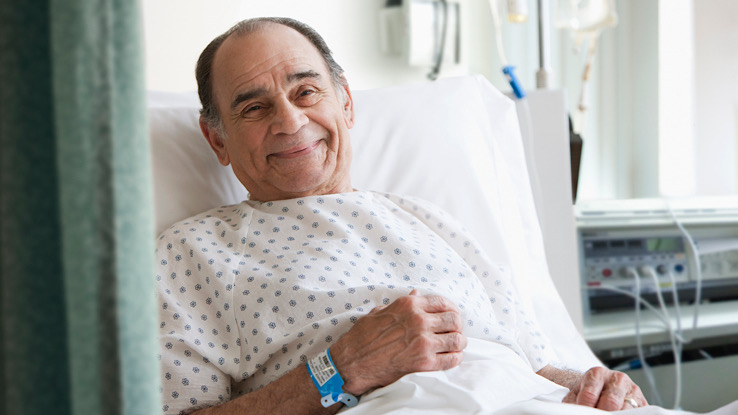
Before the procedure, by and large the physician gives you lot medication (anesthesia) to relax you and put you to sleep. Nether anesthesia, you won't feel whatsoever pain during the colonoscopy. After the procedure is done, you'll usually be awake within a few minutes. Nurses and doctors will monitor you for a piffling while. If everything is back to your normal land, you tin can go dwelling house the same twenty-four hour period.
Some doctors likewise offer the option to do not-sedated colonoscopy procedures, where you are not asleep. In this case you receive pain medications simply not anesthesia. If you're interested in this option, talk with your medico.
What Happens During a Colonoscopy?
Colonoscopies are performed in a process room, which is similar to an operating room. When you arrive, you'll change into a hospital gown. In the procedure room, you'll be asked to lie on your side with your knees pulled up to your breast.
Subsequently you lot're put to sleep under anesthesia, a scope that'due south one-half an inch wide is inserted through your anus into your large intestines. A camera on the end of the scope sends images to a monitor to be viewed in real time by your doctor.
The scope will exist inserted all the fashion to the start of your large intestines, then on the manner back out the doctor looks closely for annihilation that could be cancer. This scope can besides take a biopsy if needed.
Your doctor may likewise remove polyps they find. Polyps are extra tissue that grow inside of your torso. Virtually polyps are not dangerous, but some tin cause cancer.
How Long Does a Colonoscopy Have?
The colonoscopy procedure commonly takes less than an hour. This as well depends on what the doctor finds during the procedure. Yous'll need to arrive to the hospital a couple of hours before your procedure and stay a couple of hours after your procedure. Most of the time you can go home the same day as your colonoscopy. But, you should plan to take the whole solar day off just in case.
Does a Colonoscopy Injure?
You will be under anesthesia, so you won't feel anything during the colonoscopy. Afterward the procedure, you may feel some temporary discomfort, such as cramping, bloating, and gas. This is considering of the pressure placed on your intestines by the scope, and the gas used to inflate and come across your intestines. These symptoms should go away on their own, only if they don't you should follow upward with your doctor.
What Happens Subsequently a Colonoscopy?
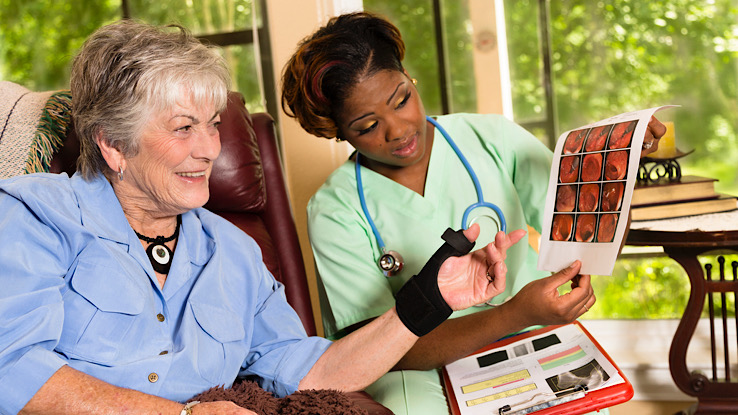
After the procedure, your medico volition discuss the next steps for you. Have someone pick yous up and accept you abode. This is because the anesthesia needs a full day to completely wear off. You may also have haemorrhage when yous use the bathroom for the first fourth dimension after the colonoscopy. If you take alot of bleeding or stiff stomach pain, you should call your dr. right away.
If your physician removed a polyp or took a tissue sample during the procedure, yous may have special instructions to follow.
What Tin can I Eat After a Colonoscopy?
Afterwards your colonoscopy, you tin can slowly return to your regular nutrition over the side by side 24-hour interval or so. Remember that your intestines have simply been pushed and stretched by this procedure, so y'all may want to start with more gentle drinks and foods such equally:
- Water
- Herbal teas
- Absurdity
- Yogurt
- Cooked vegetables
- Saltines
Effort non to eat foods that are hard to digest right after the colonoscopy such equally:
- Alcoholic beverages
- Raw vegetables
- Food with a lot of spices
- Fried foods
What Are the Risks of Colonoscopy?
As with whatsoever medical procedure, colonoscopies do have some adventure, although complications are rare. These risks include:
- Haemorrhage
- Perforation of the intestines (a hole in the lining of your intestines)
- Reaction to the anesthesia
- Abdominal pain
Your doctor will review the risks and benefits of the process during your informed consent conversation. Ask whatever questions you take earlier signing the consent class.
What Are My Options for Colon Cancer Screening?

If yous don't desire to accept a colonoscopy for your regular colon cancer screening, you take other options.
The USPSTF has recommended three stool-based tests, which are gFOBT, FIT, and sDNA-FIT. For these iii tests, yous get a kit at home that you put a stool sample into. Then you ship information technology in by mail for analysis. These tests demand to exist done every ane to 3 years, whereas a colonoscopy needs to exist done every x years.
There are too other process-based screening tests such as:
- CT scan colonography: This uses low dose radiation to get images of your bowels. This procedure requires screening every 5 years.
- Flexible sigmoidoscopy: This is similar to a colonoscopy, but the medico only examines your rectum and lower colon. The colonoscopy looks at the entire large intestines. This process procedure requires screening every 5 years, or every 10 years if combined with the annual FIT stool-based test.
Talk to your doctor about which colon cancer screening pick is correct for you.
Resource Links:
- "Colonoscopy" via MedlinePlus
- "Colorectal Cancer Guidelines" via American Cancer Lodge
- "Effectiveness of screening colonoscopy in reducing the risk of death from correct and left colon cancer: a large community-based written report" via Gut
- "Colorectal Cancer sScreening" via Primary Care
- "Get Tested for Colorectal Cancer" via MyHealthfinder
- "The patient's perspective – patients should be made aware of the options of sedation or no sedation and take a choice in screening colonoscopy" via Journal of Interventional Gastroenterology
- "Screening for Colorectal Cancer: US Preventive Services Chore Forcefulness Recommendation Statement" via JAMA
Source: https://www.symptomfind.com/healthy-living/what-you-need-to-know-before-a-colonoscopy?utm_content=params%3Ao%3D740013%26ad%3DdirN%26qo%3DserpIndex

Post a Comment for "People Buy Me to Eat, but Never Eat Me. What Am I?"